
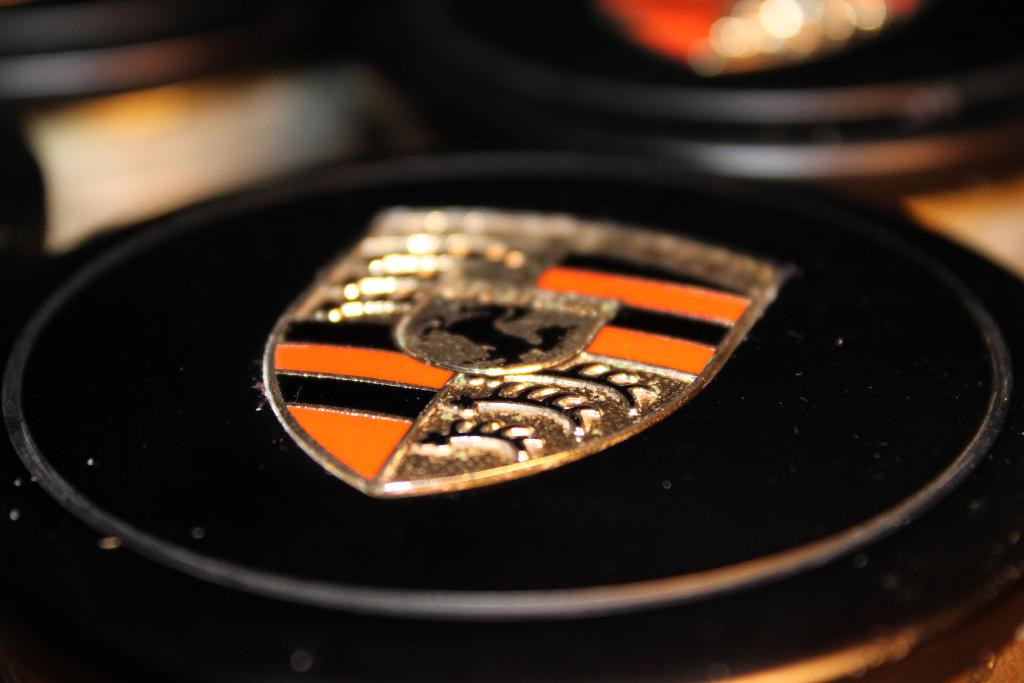
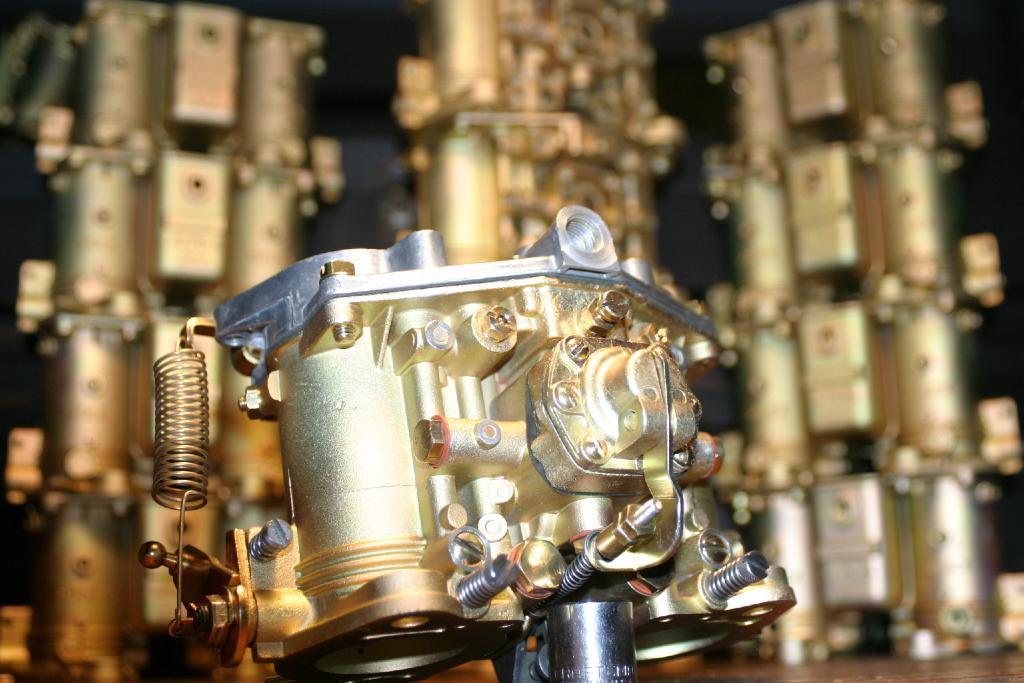
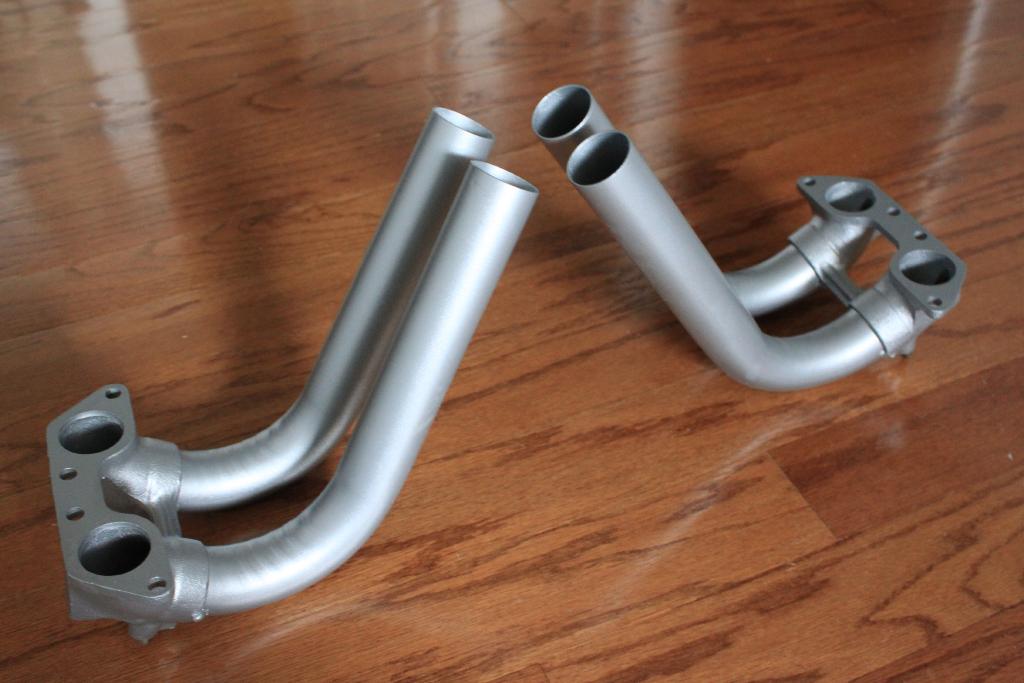
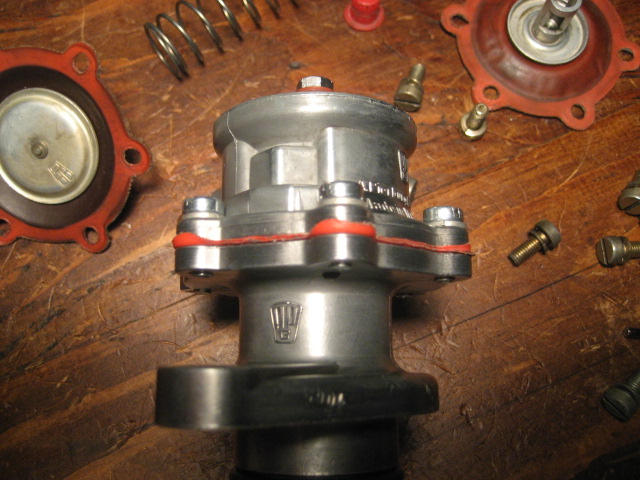
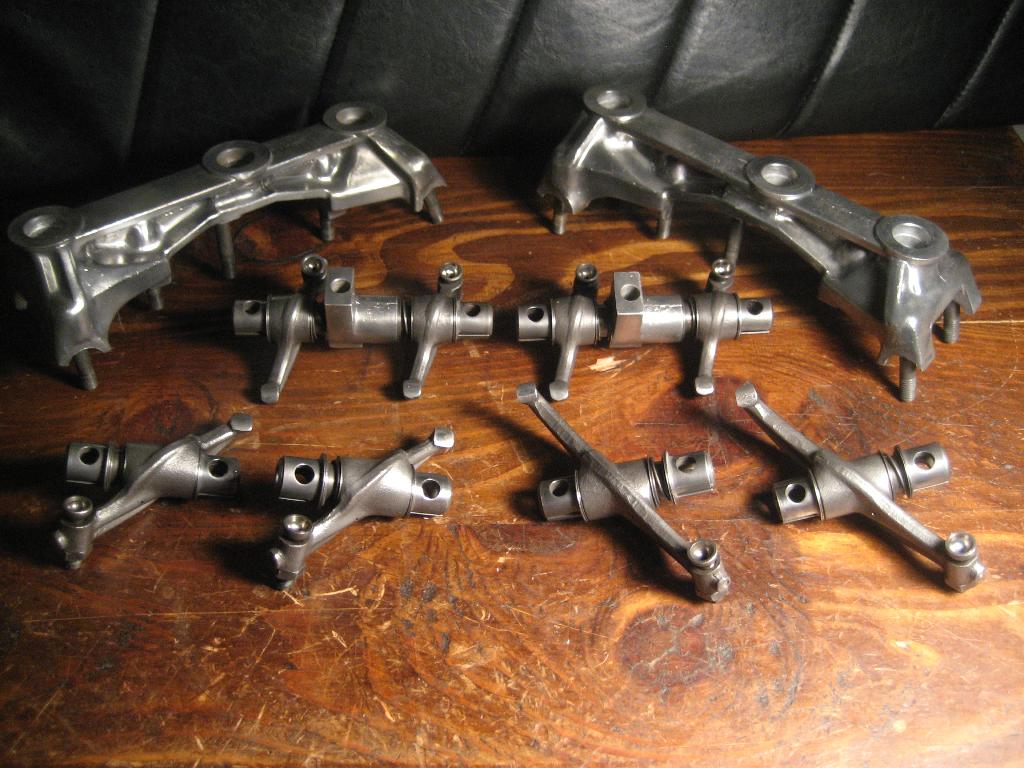
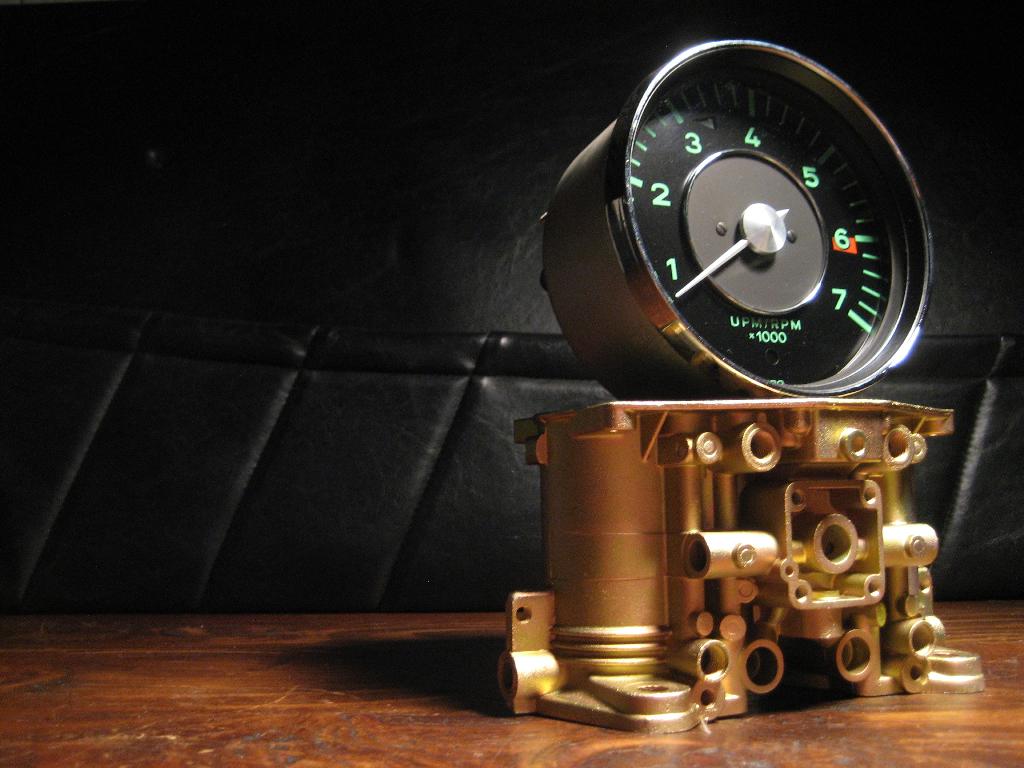
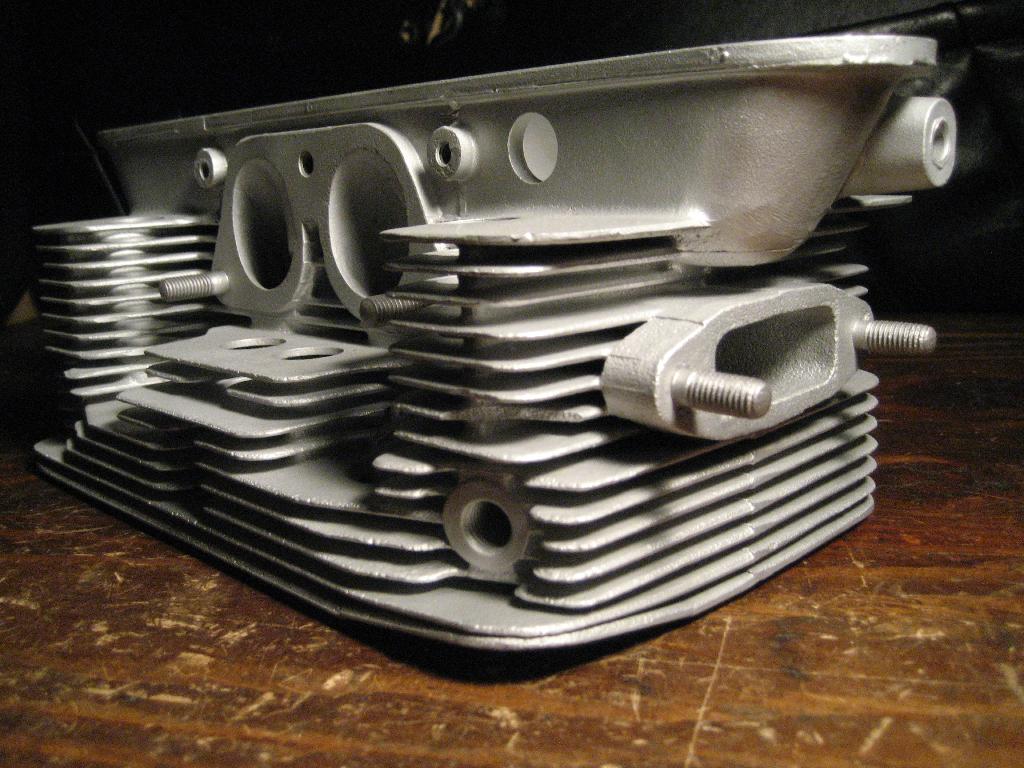
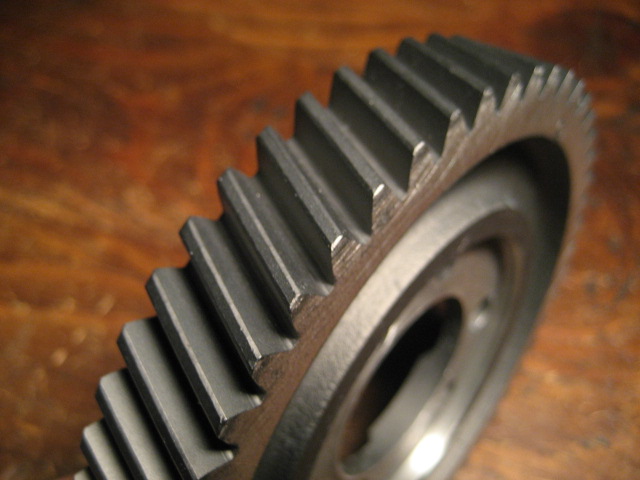
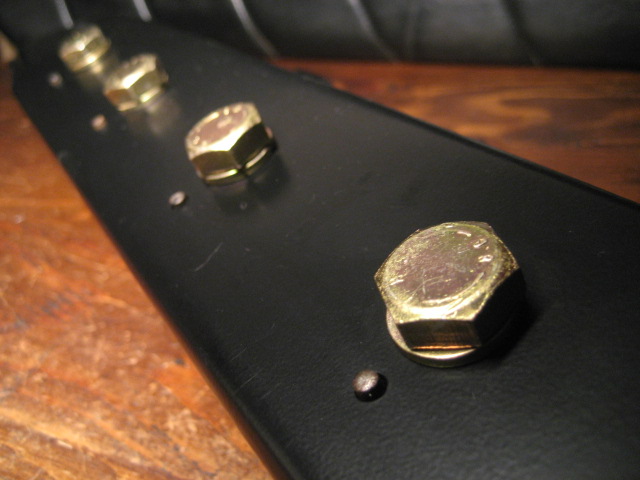
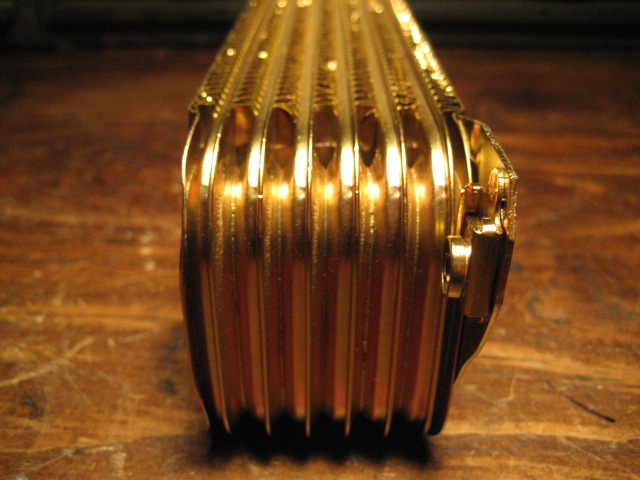
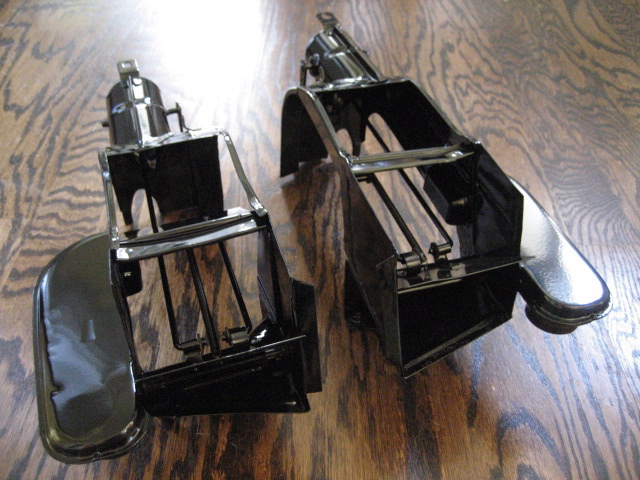
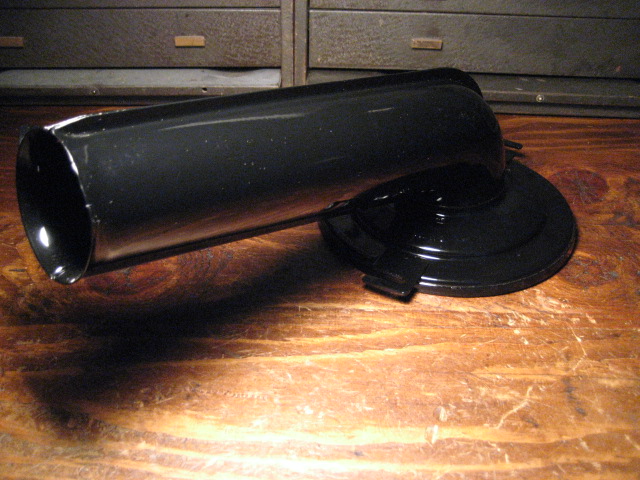
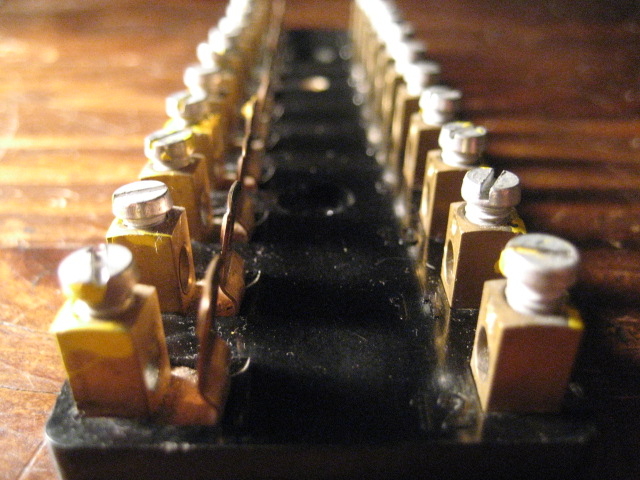
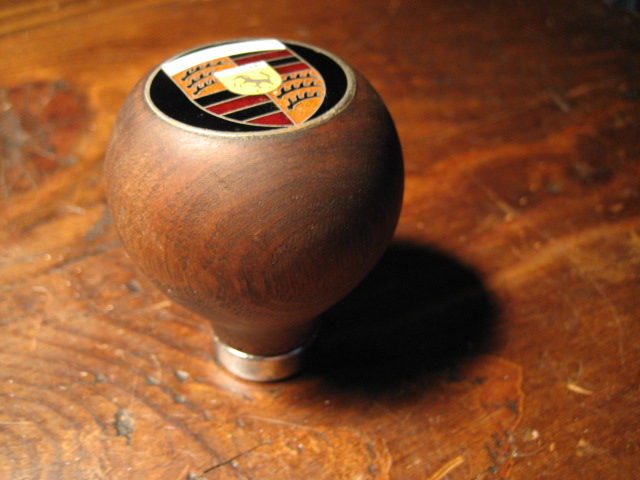
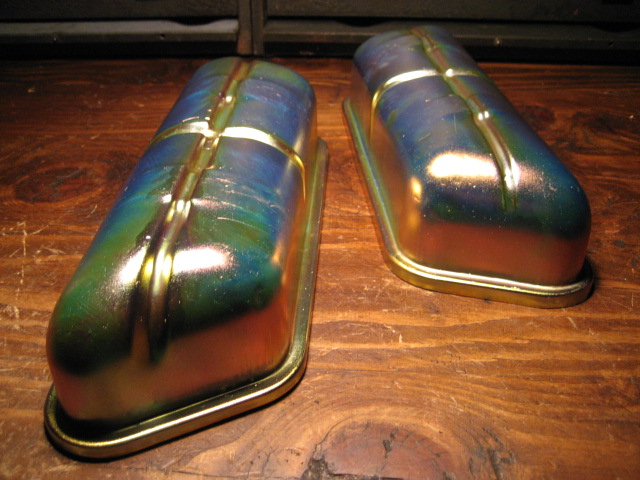
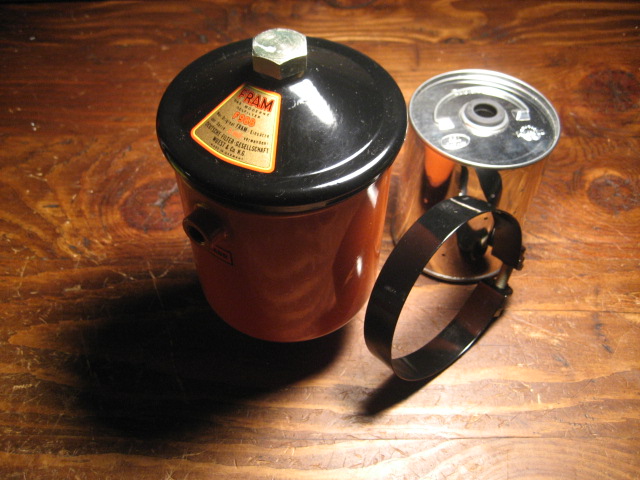
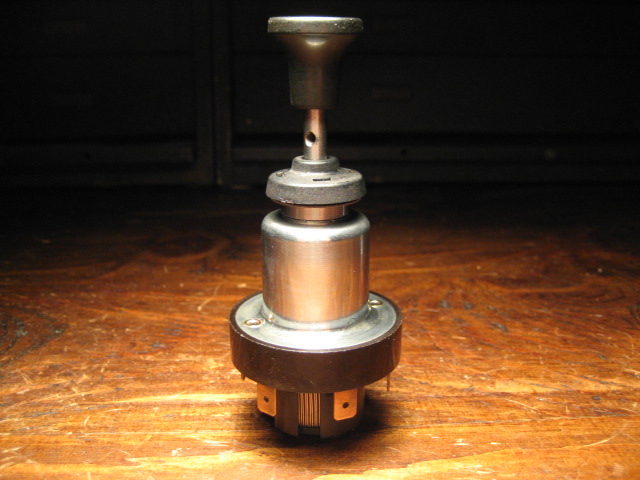
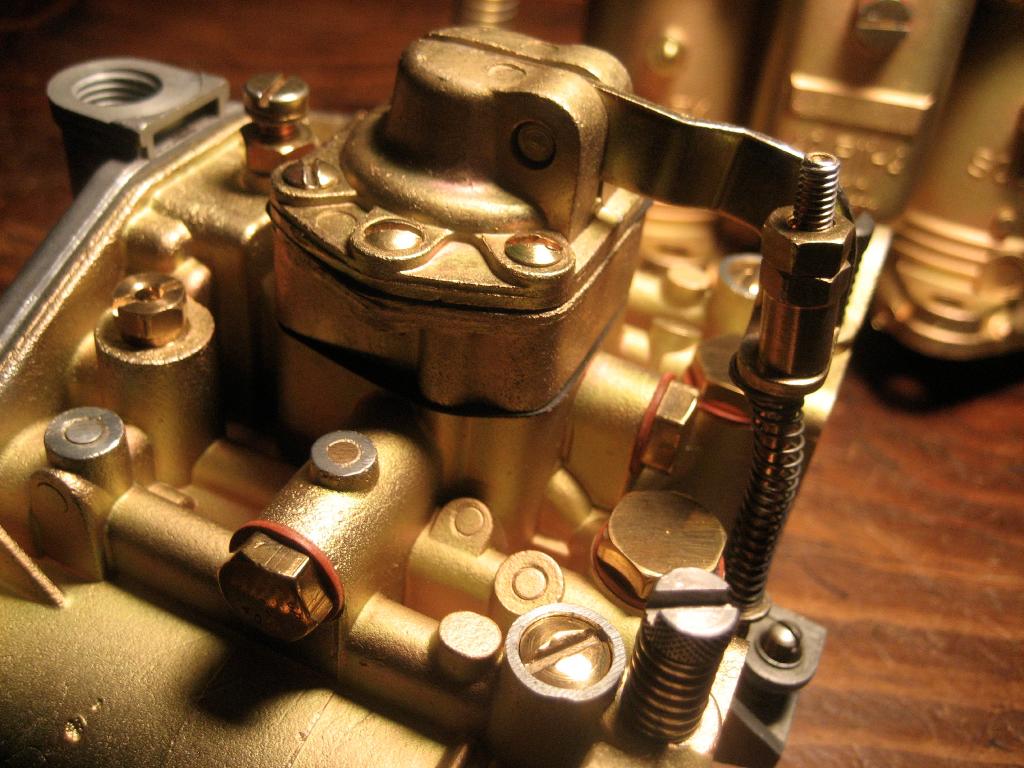
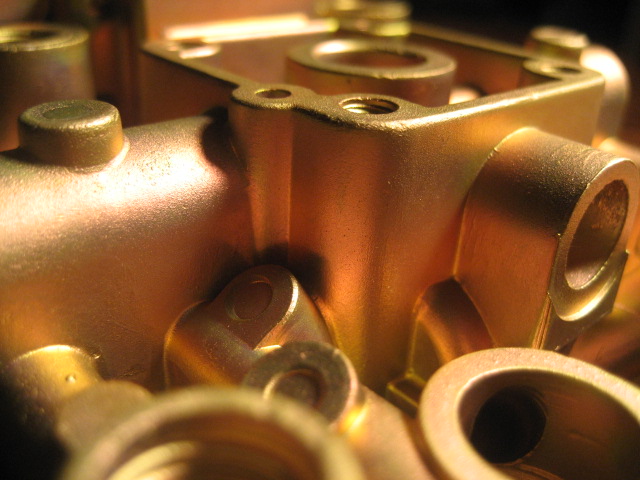
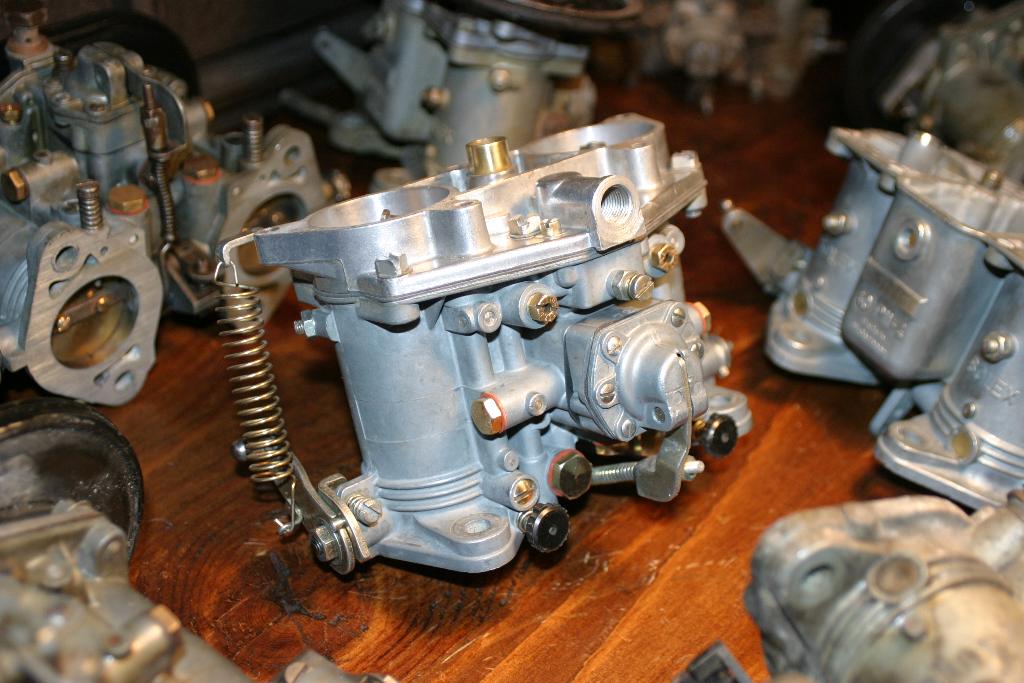
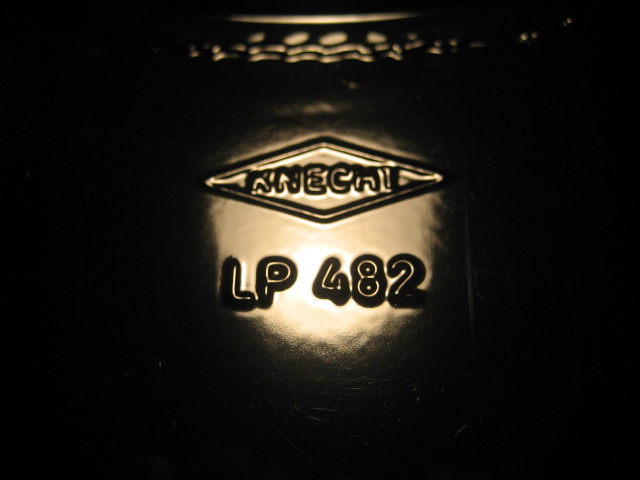
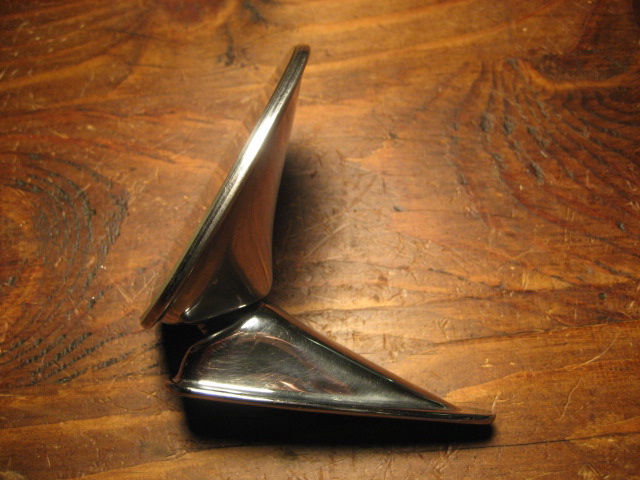
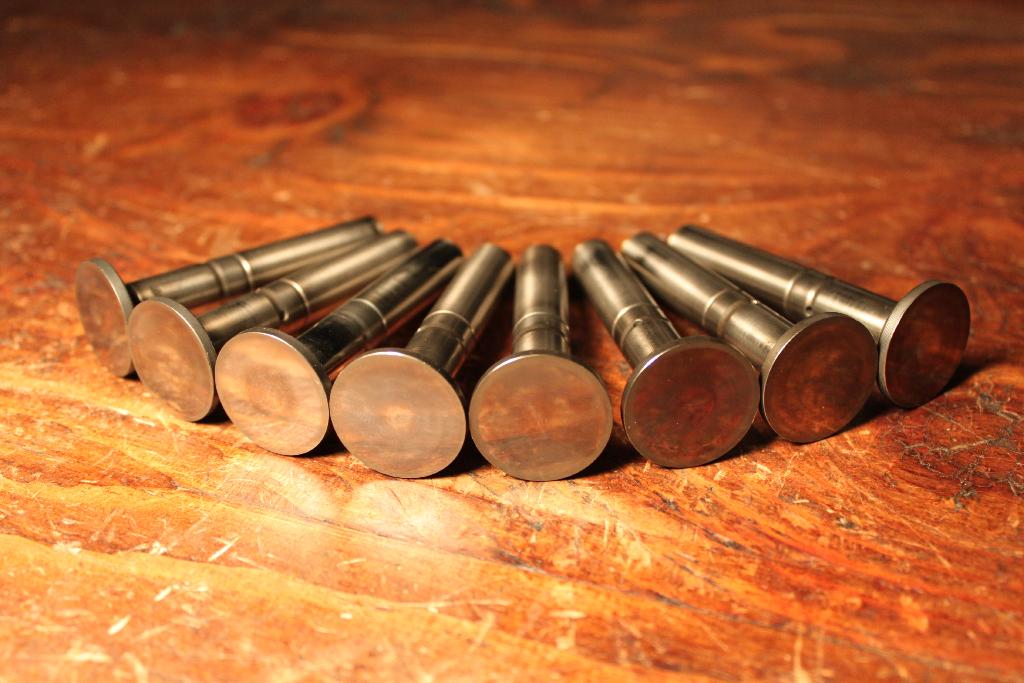
Classic car part restoration has been at the core of my work since 2008 through powder coating, cad plating, polishing, cleaning, rebuilding, testing or otherwise just giving the respect these individual jewels need to make a project whole. I typically sell the parts to fund my car projects. These photos represent some highlights of my work as taken on with terrific suppliers in the Detroit area.
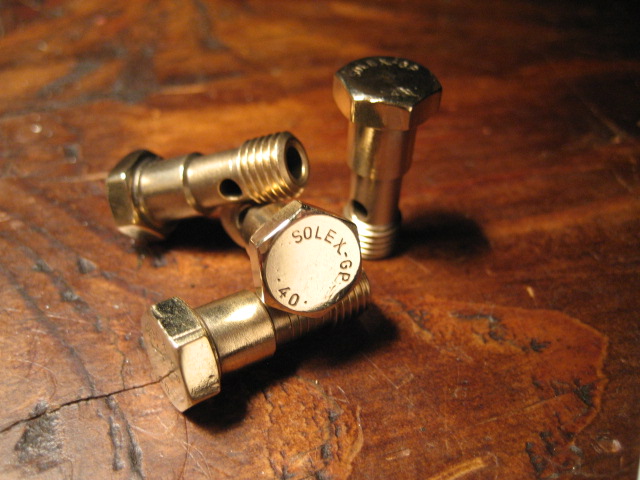
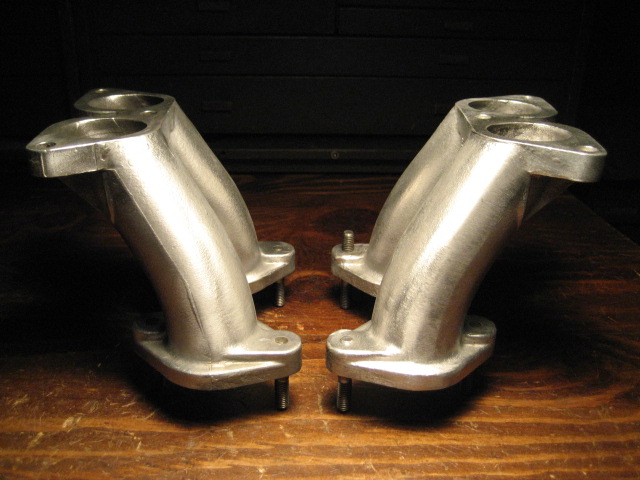
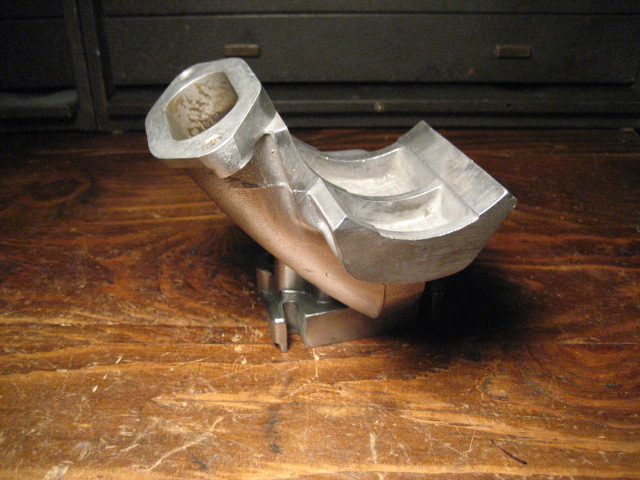
– Solex carburetors – full tear down and rebuild with cad plated hardware
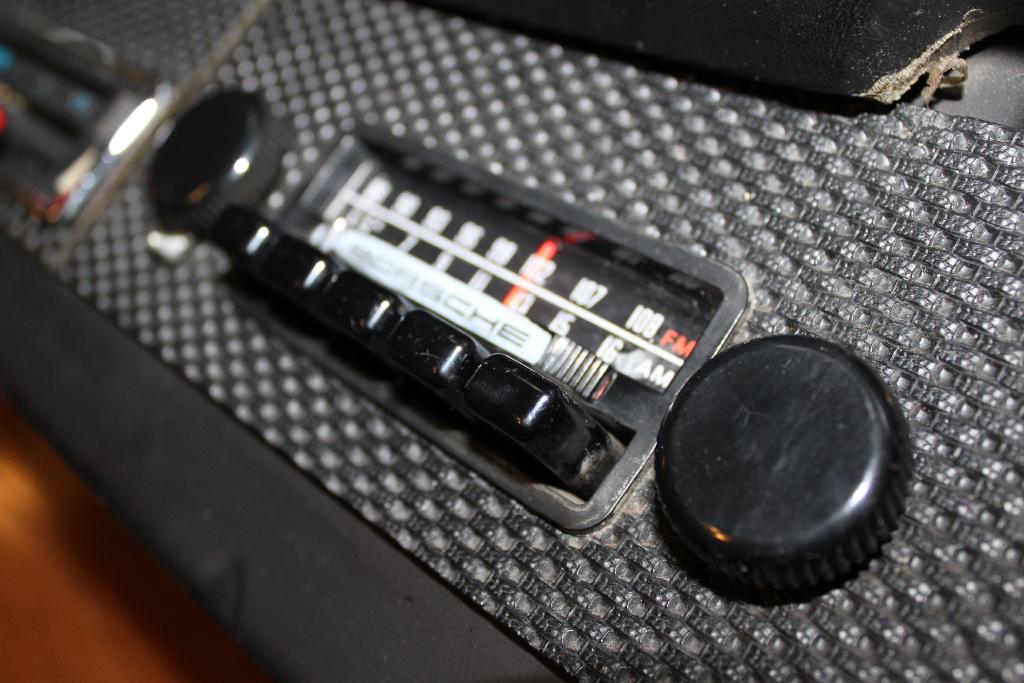
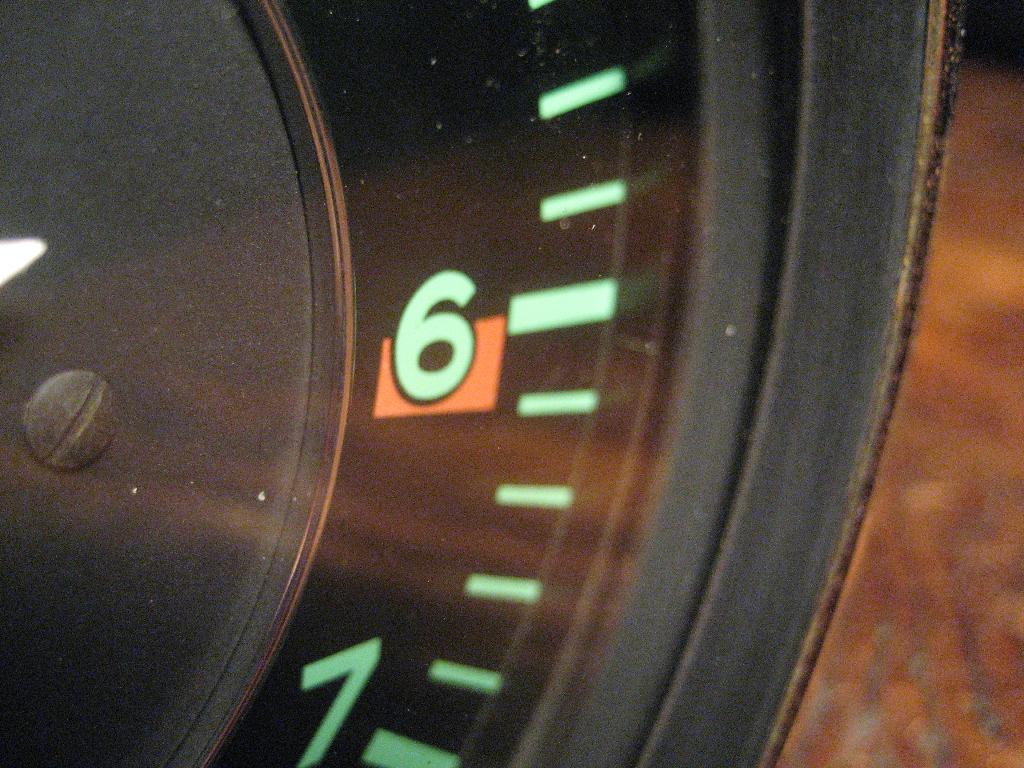
– Gauges – pull chrome or black rings, clean and/or lubricate mechanisms, repair odometers, clean glass, repaint rings and/or needle
– Disassemble, ultrasonic clean parts, polish with brass wheel
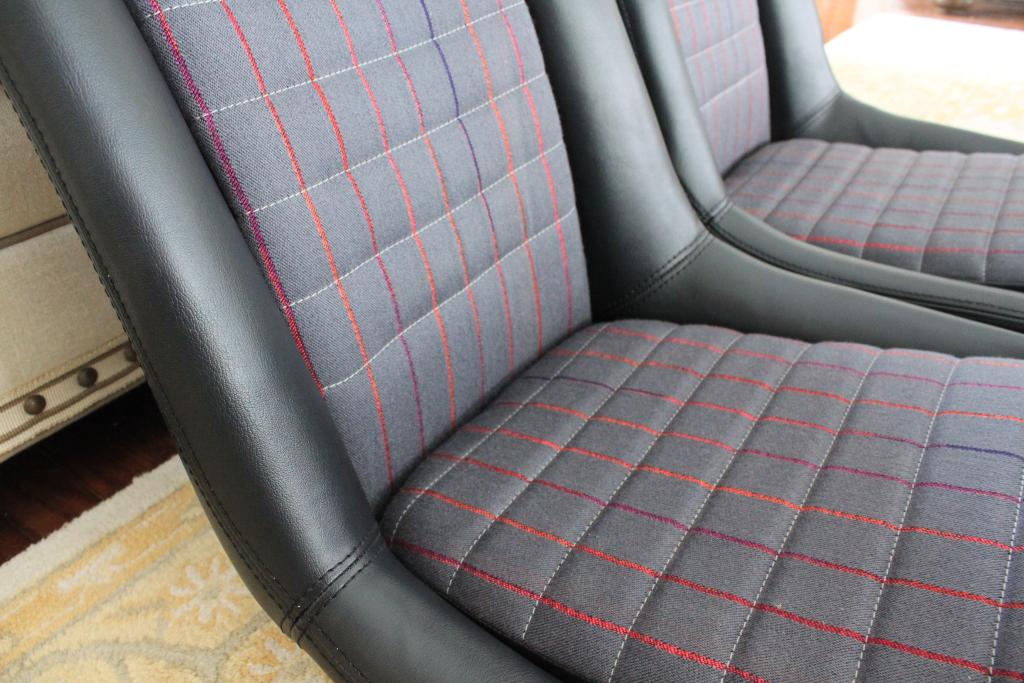
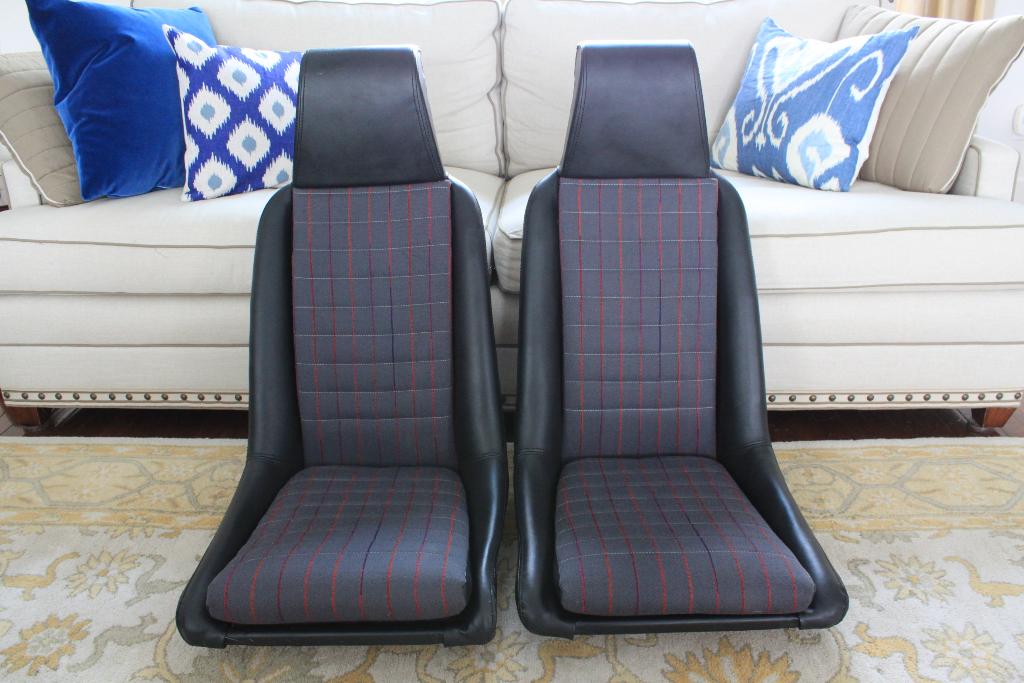
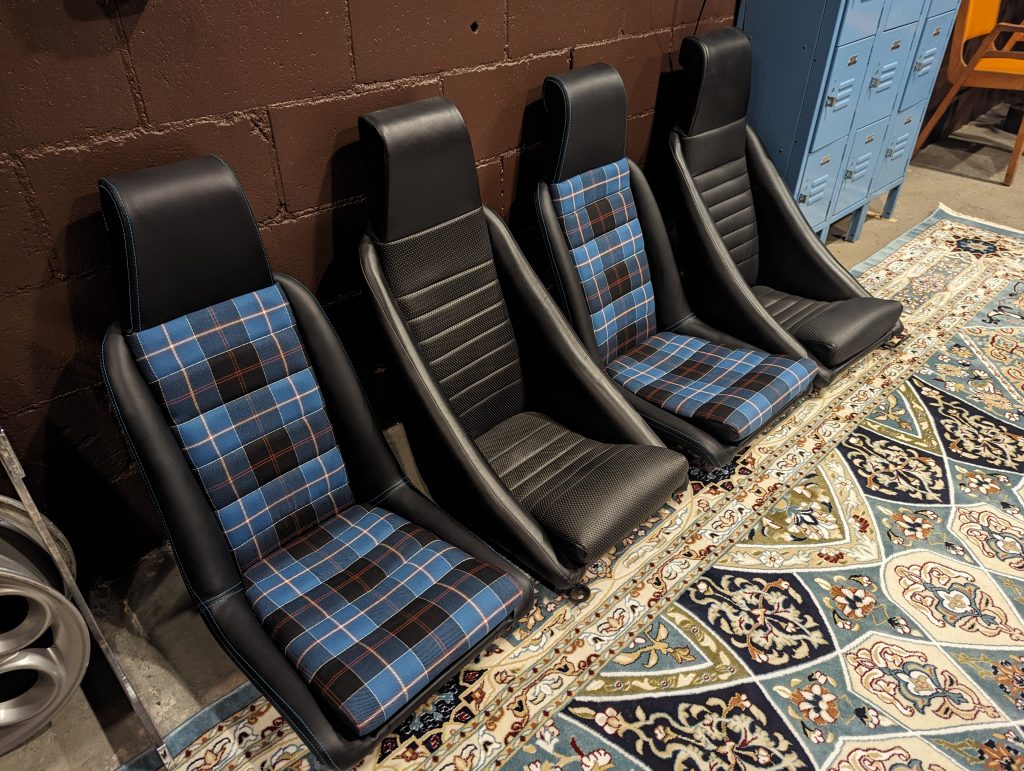
– Reupholster


Over the years, I’ve lost most of my traffic as blogs fell out of favor with people turning to Insta, YouTube or TikTok. I asked AI to help. It suggested adding summaries of my Restoration Wednesday posts to my main overview page (like this one). This will help search point interested people my way. Since I’ve written over 2,600 blog posts since 2009, I asked AI to write these summaries for me. Of course, I do final edits. This, in an effort to share my story with a few more enthusiasts if they fancy some of my content. Unless noted, everything else is original to my brain. Only these summaries (below) are by AI.
So here’s the thing about restoring old cars, they’re made up of hundreds of parts. It’s everything attached to it, bolted to it, threaded into it, and shoved behind it. Every bracket, sender unit, bolt, and rubber pad has a job to do, and if one of those things is a mess, eventually that mess brings everything else down around it unless something is done.
That’s pretty much how I think about part restoration. Not as some grand philosophy, just as the practical reality of working on vintage cars that have been around for 40 or 50 years. Things corrode. Things seize. Things get painted over by previous owners who clearly had other priorities. And at some point you’re holding a part in your hand wondering should I make this look better?
I tend to lean toward fixing what I have before I go hunting for something new. Partly because sourcing correct original hardware for older German cars is getting harder every year, and partly because there’s something satisfying about bringing a part back to where it should be. Not always, though. Some things are past saving and I get it. But if it can be made good again, I’d rather make it right than throw money at a replacement made with typically lesser quality stuff that sometimes doesn’t fit right.
Take zinc plating. It’s one of those processes that sounds fussier than it is. On older Porsches, a lot of the original hardware was cadmium plated from the factory, which is why it held up as well as it did. Cadmium is genuinely hard to find for small hardware these days, so zinc is where you land. It’s not expensive once you’ve got a batch going, and the difference between zinc-plated hardware and bare steel hardware over the long haul is pretty dramatic. When I stripped down the 1974 914 donor car before cutting up the chassis, everything that could be zinc plated went out for zinc plating. That car wasn’t going to live again as a whole car, but the parts did. They went to other 914 owners keeping their own cars running, and they went out clean and pretty.
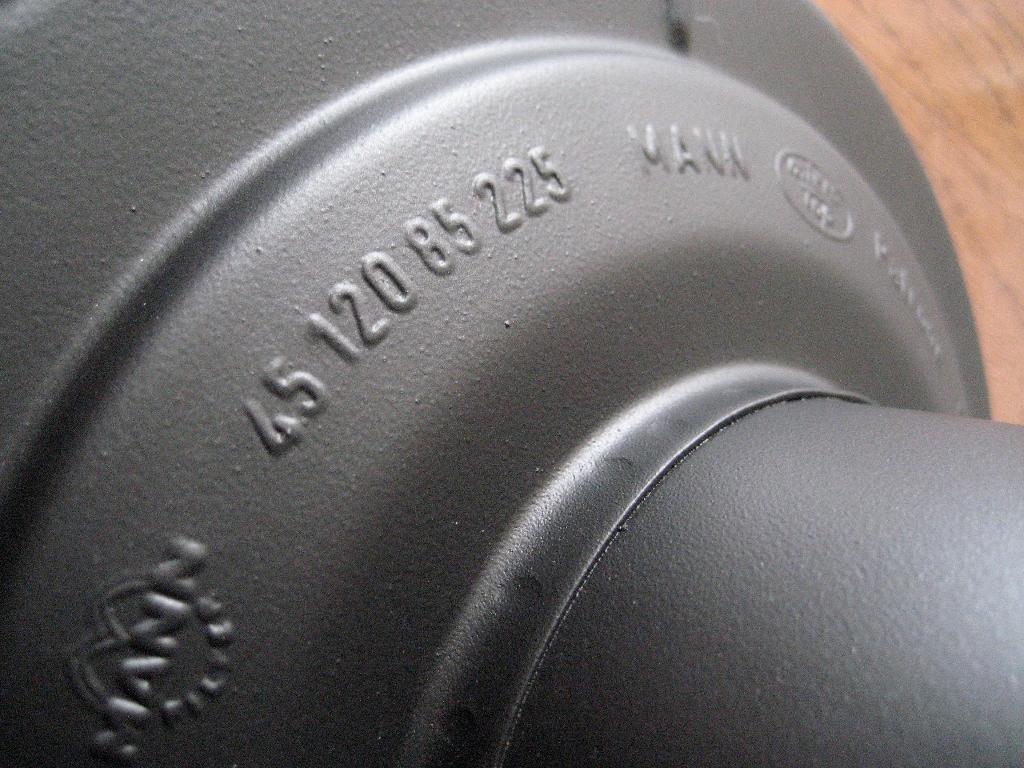
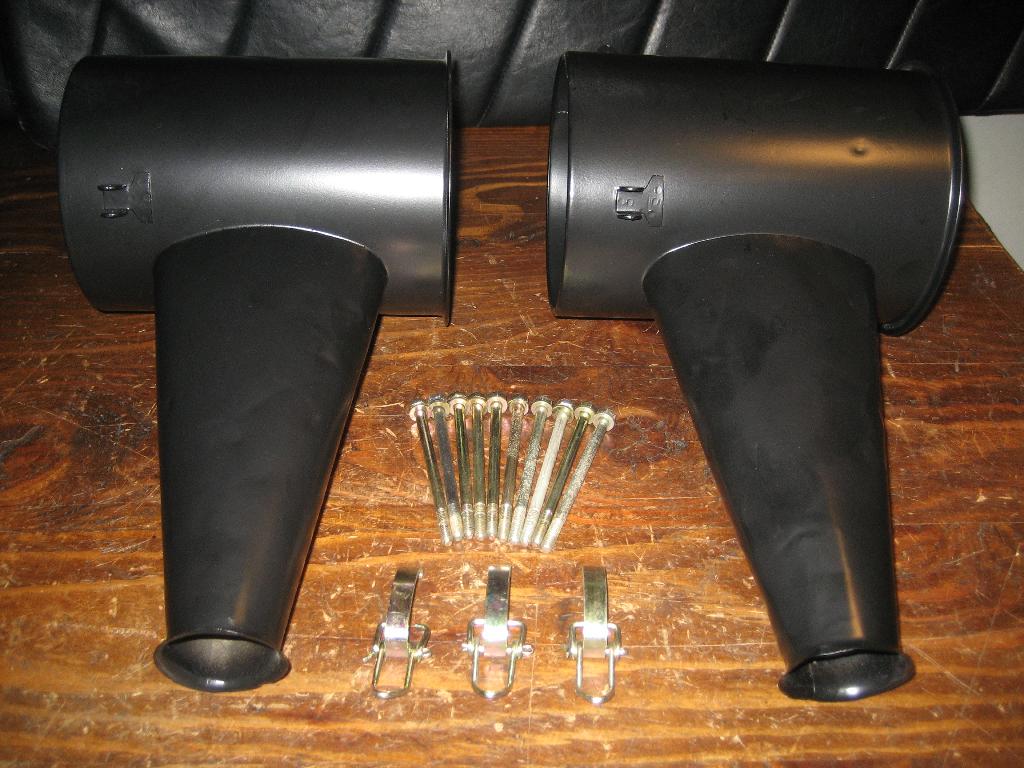
Powder coating falls into the same category. Brackets, catches, mounts, anything that lives in a rough environment and needs to hold up long-term. The fuel splash catch on the ’72 914 front tank install is a good example of this. Not many will ever see that piece unless they’re really digging around in the front trunk, but it’s powder coated and it’s going to last and look good doing it, even if the paint is thicker than original.
Now, gas tanks. I’ve gotten a few questions about the Renu process over the years so it’s worth writing out what it actually involves. Renu drills access holes into the tank, sandblasts the interior all the way down to bare metal, does a visual inspection of every corner and baffle, and then coats the inside with a liner they’ve patented, backed by a limited lifetime guarantee. The tank on the ‘72 914 went through the Renu process before anything else went back together.
Is it the cheapest option? No. At $375 a tank it’s not. You can get a tank boiled and lined for less. But here’s the thing Renu told me that stuck: a good chunk of their business is re-doing tanks where the poured-in coating peeled away, because a coating that goes in one hole doesn’t necessarily reach all the baffled corners. The whole reason for the drilled holes and sandblasting is to actually see the inside of the tank before doing anything to it, and to blast any spot that needs more attention. Is it perfect? Nothing is. But as I wrote in the original post about this: think of all the variables in a fuel system on a 50-year-old car. Why not cross one off the list?
Fuel senders are a smaller version of the same logic. The senders on the 914 are shared with the 911 and they corrode in a pretty predictable way: buildup along the float stem and corrosion kill these when they sit with not fuel in the tank for long periods of time. Pick it off, sand it smooth, dress it with oil. Twenty minutes of work that keeps something functional that would otherwise fails to read F or E.
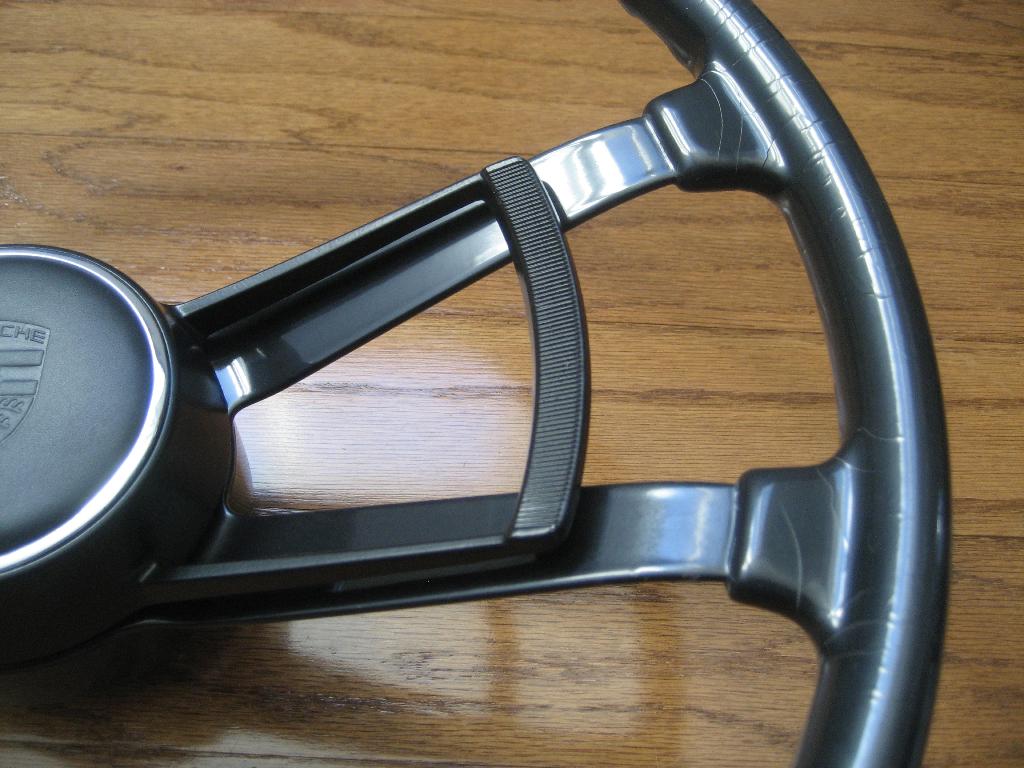
Chrome is a little more situational. I don’t re-chrome things unless they genuinely need it. Good original chrome has its own story to tell about the age of the car, and that story is worth keeping. The 912 steering wheel is a good example. The horn ring got re-chromed because it needed it, but the rocker assembly just needed a proper cleaning and polish to come back to where it should be. I don’t chrome my way past something that just needs a careful hand and a little time.
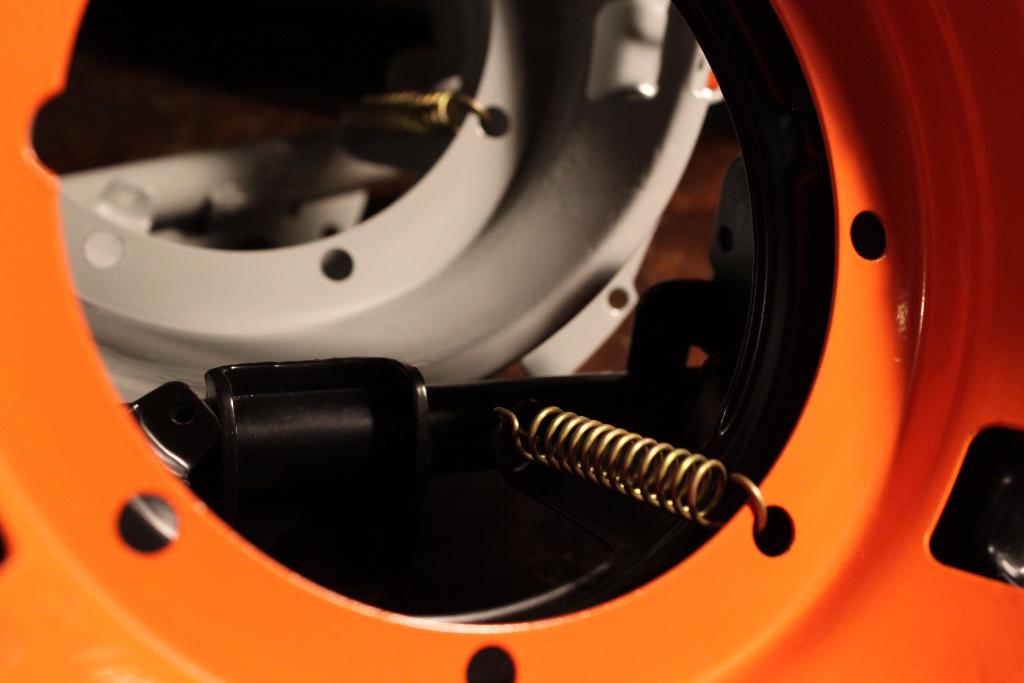
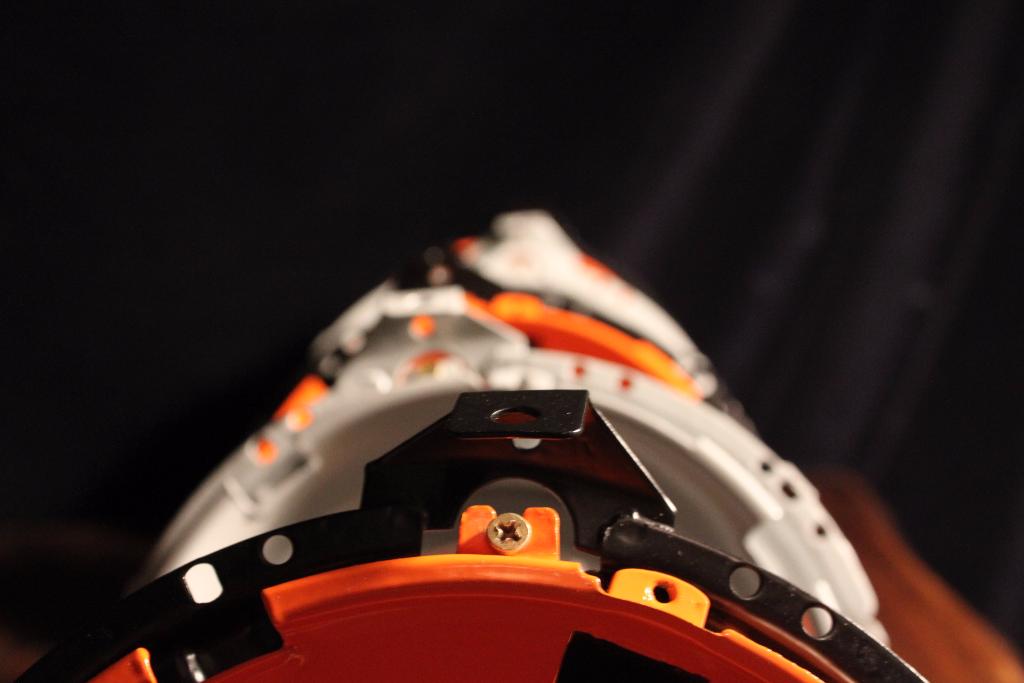
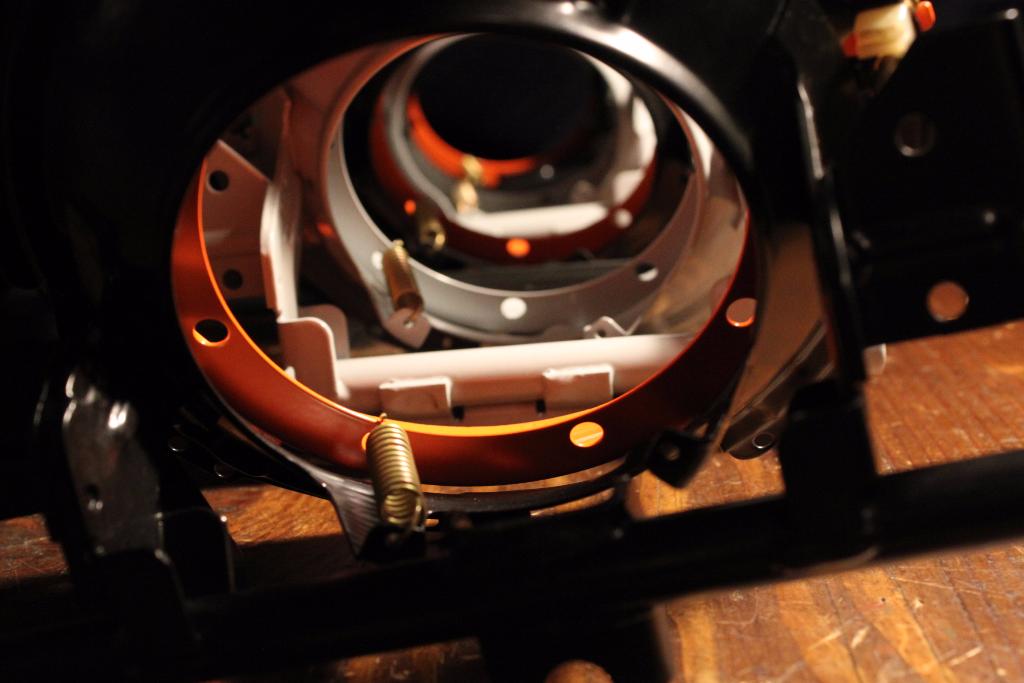
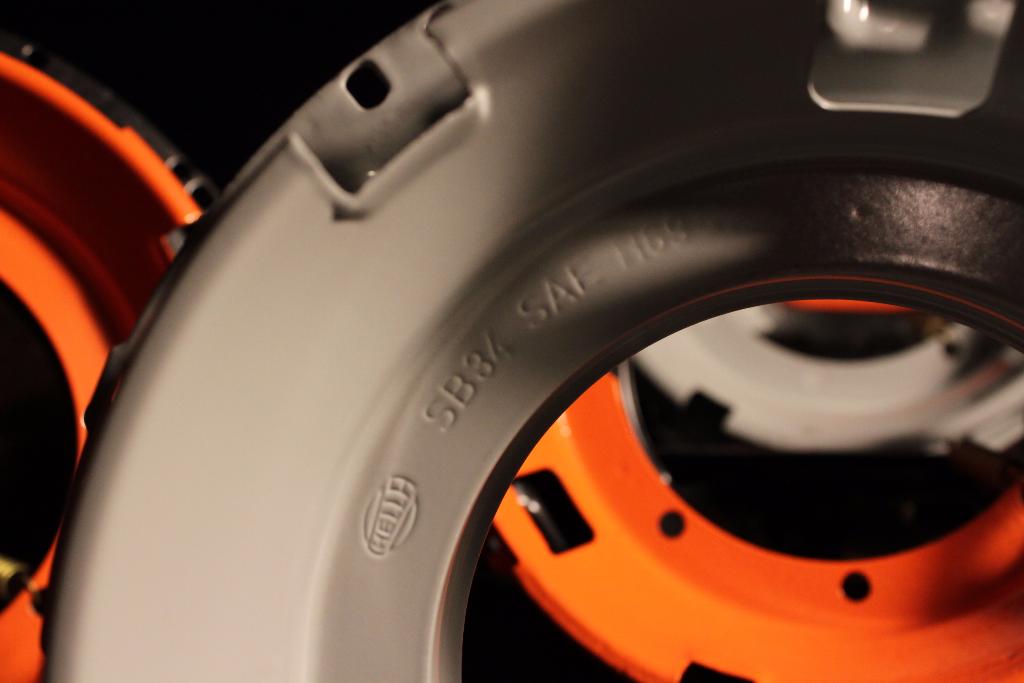
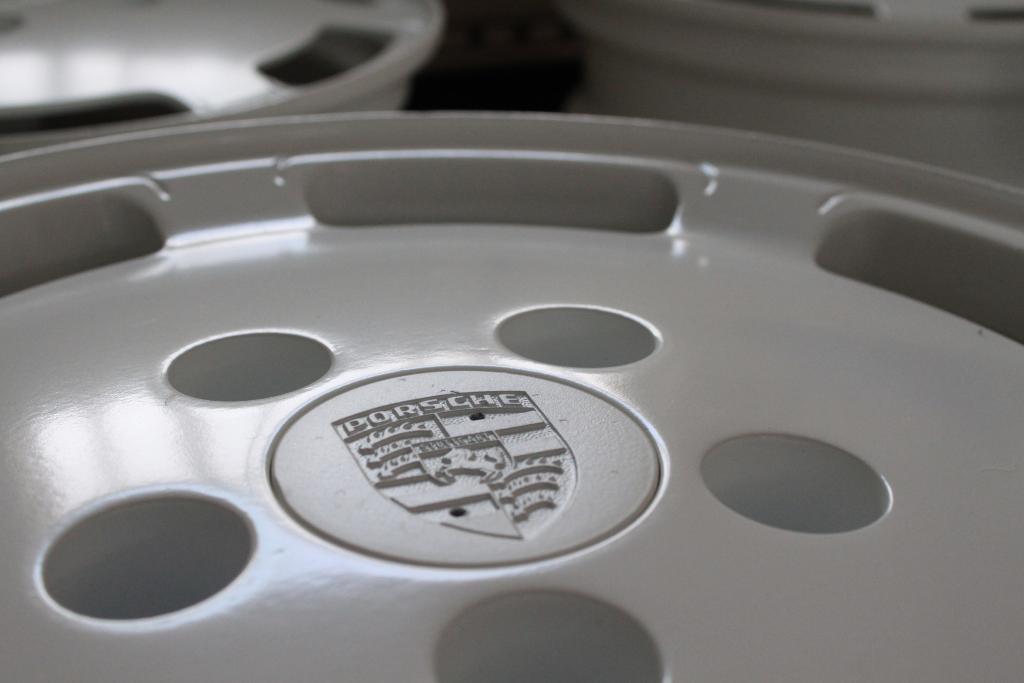
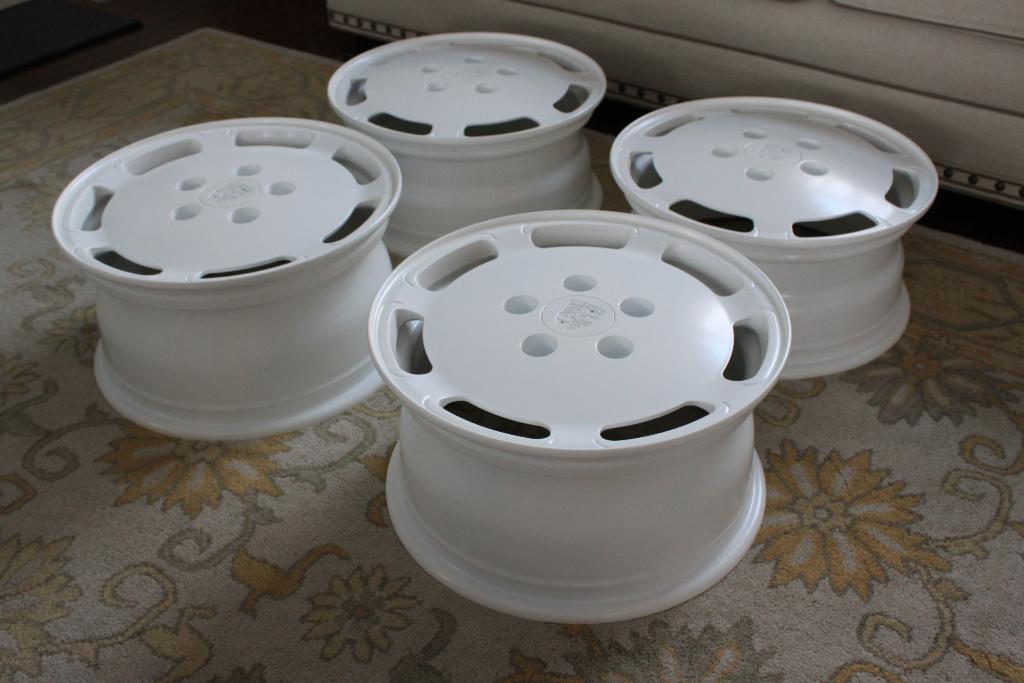
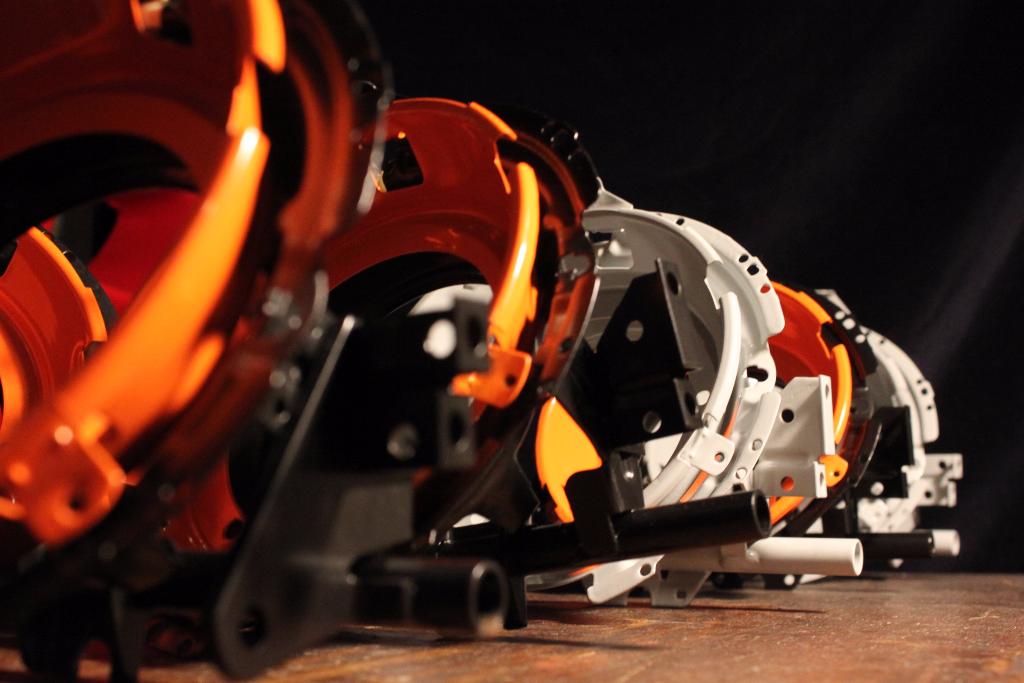
One thing that comes up in almost every project is the “while you’re in there” sidebar, and it shows up across all of these cars. On the 911T, adjusting the headlights turned into a full evening because once you’re in there you realize the aim is off in a way that’s going to bug you every single time you drive it at night. On the 928, when the rims came off for powder coating in satin white it was a natural point to address everything else that was going to be visible once those clean wheels went back on. And on the 912, once the steering wheel was apart for the horn ring re-chrome, the whole assembly got the attention it deserved while it was already off the car. That kind of sidebar adds time. It also means the next time you open something up, or the next person who owns the car does, there isn’t a mystery waiting for them.
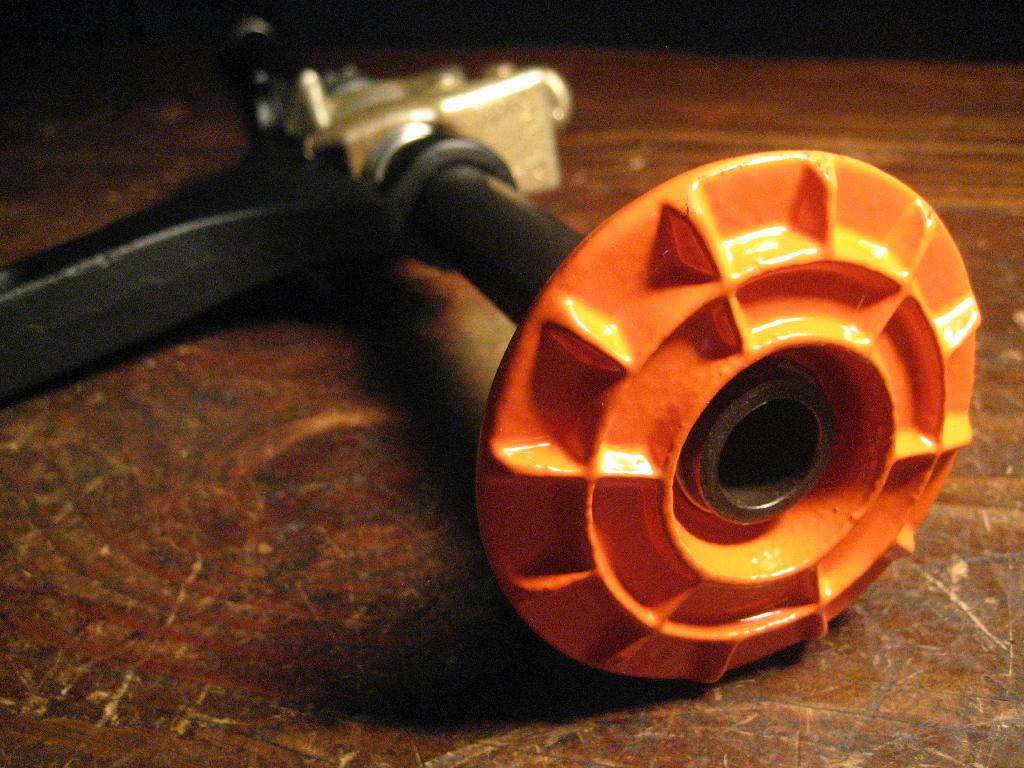
I think what I’m really talking about is just treating the car like it’s going to be around for another 50 years. Because it probably is. The 911T had already made it from 1971 to my garage with its original Bilstein jack still aboard, cad plated mechanism, pop of orange where there used to be blue, right where it should be. The 928 rims that came off looking tired went back on looking like they belonged on the car again. The 912 oil cooler that got cad plated and the valve covers that followed it, those are parts that will outlast the next several owners. These old Porsches have already proven they can make it that far if someone takes care of them, and the ones that don’t are usually the ones where someone decided a particular part or system wasn’t worth the attention. It doesn’t have to be perfect. It just has to be honest.