

SOLD: June 2019
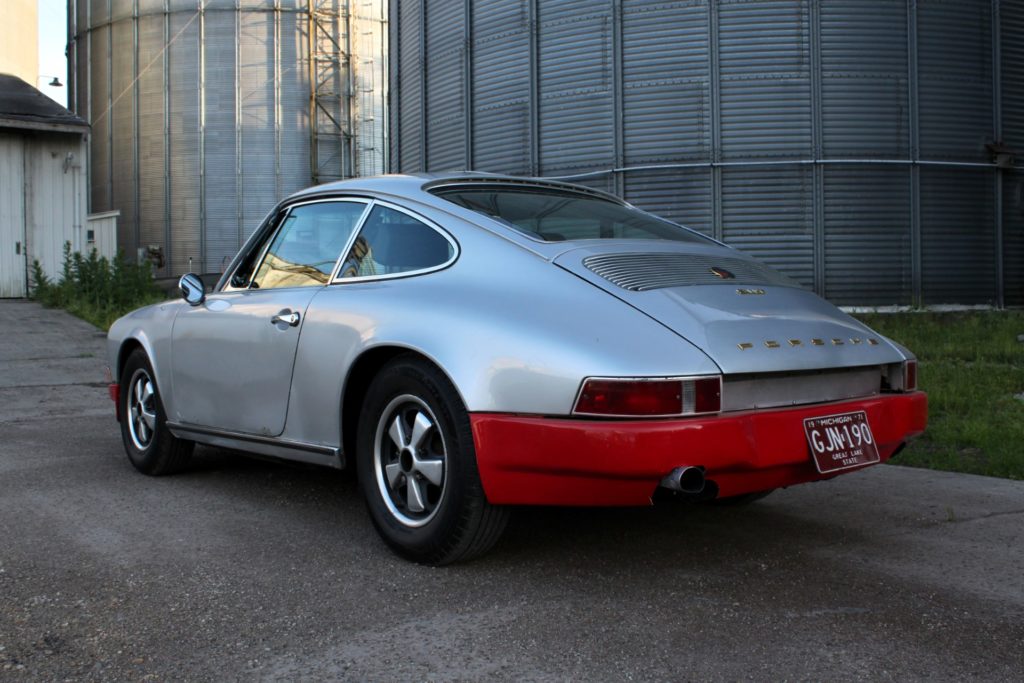
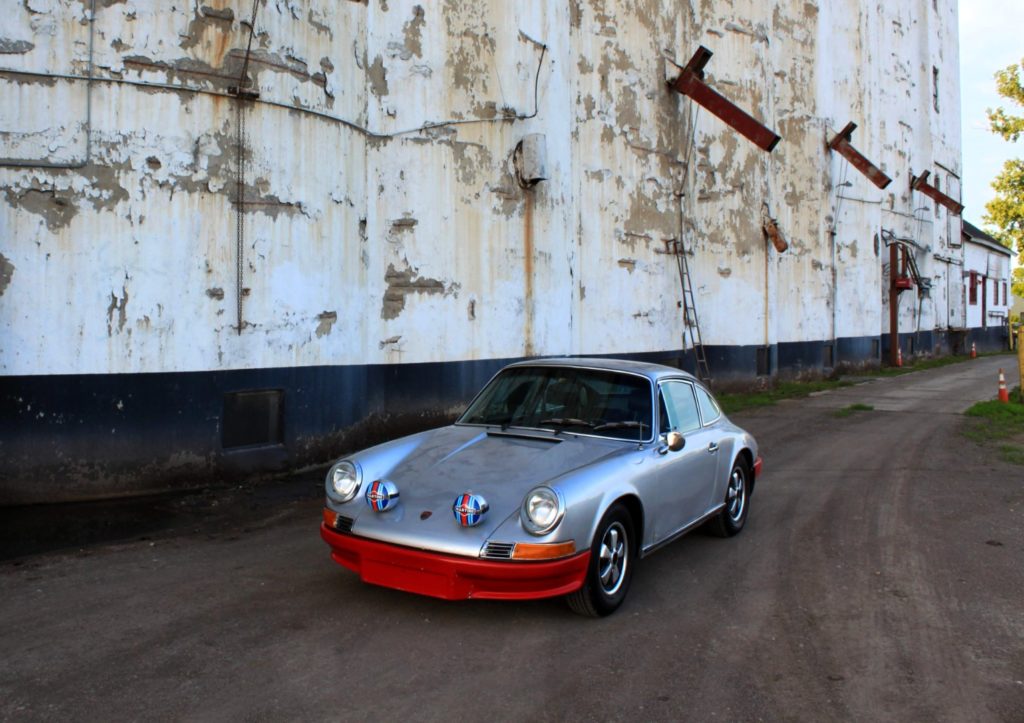
This numbers matching 1971 Porsche 911T came from long term storage and was used sparingly by me. If you’ve seen the car around Ann Arbor, you know I had fun with it on my dirt roads but never abused or tracked it. It is not a trailer queen. It came to me with solid floors, rust issues and bad paint but I never wanted a perfect car. I fixed, cleaned, cad plated and customized it to my liking while keeping all the original parts in storage. It has a very rare combination of concave Cibié driving lights and headlights with some back dated touches like opening quarter windows, headlight buckets and a ’66 green dial tach.
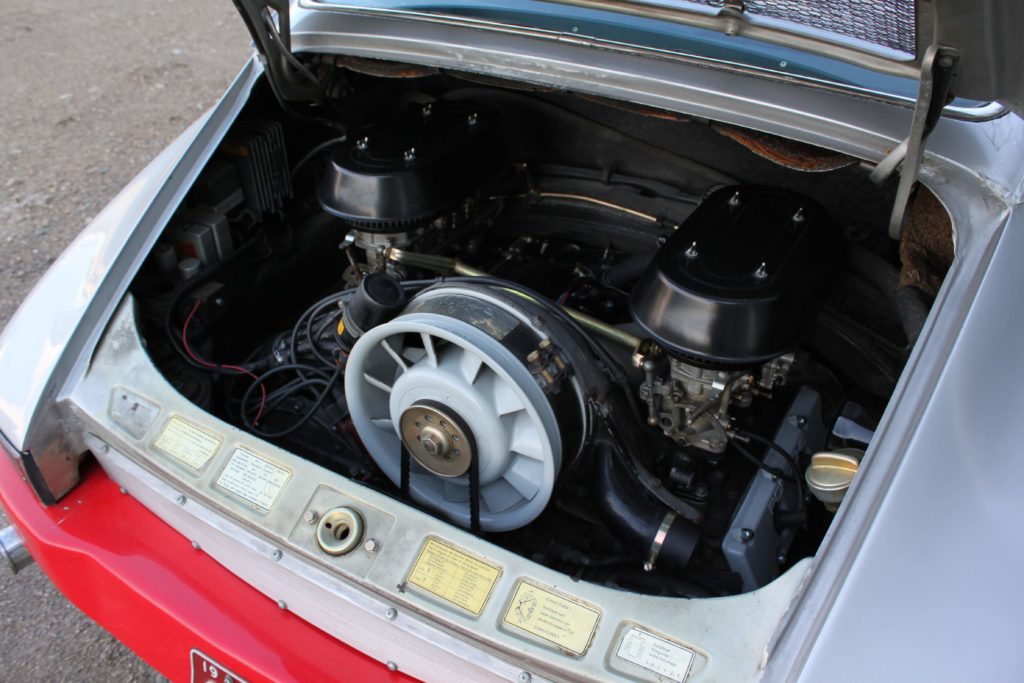
The engine is old with unknown mileage but still pulls strong. It has not been properly tuned this season after an engine out valve adjustment and clutch pivot pin replacement performed by Stephen Cramer of Autocore Performance Group in Waterford, Michigan. At which time the timing chains guides and clutch were inspected and determined to be in good shape. It pops and back fires, drips oil and has a high idle to keep it running during cold starts. The newly rebuilt Zenith carbs with modern jetting have not been dialed in but I feel the distributor may be hanging up causing the back fires. All that being said, it’s a crusty, a little rusty but trusty runner with some unique flair.
Overview:
• Purchased February 2012 from Ohio with oil change stickers placing it in Florida in the 1980s
• VIN 9111100241
• Off the road for 8-10 years
• Family owned for 25-30 years
• Compression test performed cold by me when I first bought it: 1: 152, 2: 155, 3: 166, 4: 149, 5: 143, 6: 159
• Original color silver but poor repaint
• Rust in doors, deck lid, rockers, sills
• Hood, front fenders and front floor pan ahead of gas tank reproductions
• Floor pans look original and are solid
• Newer windshield
• Headers already on the motor, no original heat exchangers
• Certificate of Authenticity, numbers matching
• All original parts in storage: front and rear bumper, rear valance, quarter window surrounds, headlights
• Bumperettes and overrides have been rechromed and are included
• Tool bag has one tool in it, Bilstein jack has been restored with pop of orange color
• Lights, turn signals, wipers work
• Authentic historical Michigan plates added
Engine related work:
• New batteries 2018 and one ground strap
• Pulled gas tank, “Renu” treatment which is sandblasting inside and coating with patented goo, guaranteed for life
• Rebuilt fuel sender unit, works at 1/2 to empty
• Replaced fuel pump
• New fuel lines
• Fresh oil and filter 20W50
• Transmission oil Swepco 201
• Shift linkage kit installed
• Readjusted clutch cable
• Adjusted pedals
• Adjusted valves 2019
• Powder coated upper valve covers DuPont Gloss Grey
• Engine tin painted during engine out
• Fitted rebuilt Zenith carburetors running 130 mains, 57 air idle, 195 air corrector jet, 30mm venturis from Italian Carburator
• Adjusted carburetor linkage
• Replaced plastic throttle linkage bushings at tranny and carb
• Rebuilt alternator with new brushes and bearings
• Powder coated fan and shroud
• Pulled distributor, greased, new springs – may need a rebuild or recurve
• New Marelli cap, rotor, points
• Spark plugs Bosch F-4-CS
• Newer spark plugs wires, 100% copper
• K&N air filters under rain hats
I’d like to thank Rocky Srl who I met through eBay under user ID Alfa1750 for my carburetor parts and recommended set ups. He also runs his own website at http://www.carburatori-italia.it He sells larger venturis for Zeniths and all the jetting so one can set them up like Webers. Shipping is only about $10 from Italy and he is very responsive to email.
Body and interior work:
• Cleaned rust in doors, coated with POR-15 inside
• Repainted entire bonnet area with POR-15
• Polished both VIN number plates inside bonnet
• Powder coated smugglers box door, DuPont Flat Black
• Painted smugglers box with POR-15
• Added heavy duty hood shocks that stopped holding the heavy driving lights within a few months
• Rubber bonnet seal pulled, POR-15 entire edge, new seal in bag comes with car
• Cleaned over spray on fuse box covers and related wiring
• Pulled bumpers, cleaned, POR-15
• Added fiberglass red bumpers I had to save weight, the front is cracked
• Fitted 914 door kit plate above rear bumper
• Restored original Cibié driving lamps, powdered coated buckets, they work but are not turning on for some reason
• Placed Cibié headlights in ’66 buckets that were restored
• Replaced door window rails with ’66s including opening quarter windows
• Replaced window winders with ’66 handles
• One out of two horns from a 914 are hooked up but not getting love from the steering wheel right now
• Fixed electrical short for interior lights that works with passenger door
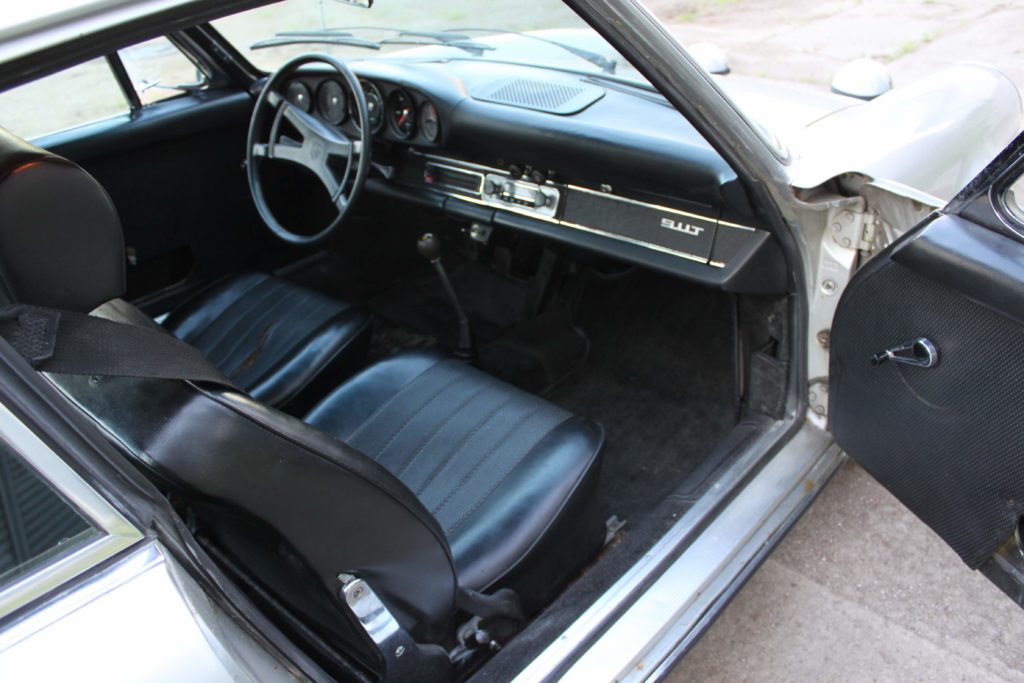
• Seats pulled, chrome polished, tracks lubricated
• Cleaned, vacuumed, cleaned
• Blaupunkt Frankfurt radio, works but not hooked up
• Original steering wheel leather is chewed up
• Porsche 912 green dial Tach restored and converted to 6-cylinder pick up
• Speedometer restored with new odometer gear but bounces and makes noise from bad cable
• There are no door pockets
• Armrests are included but are pretty bad
Suspension, brakes and wheels:
• Running date matched 1969 14″ Fuchs, no center caps
• 2018 GT Radial Touring VP Plus 195 /75 R14 92T SL BSW with around 500 miles
• 14″ Fuch spare
• All new wheel bearings up front
• Rebuilt front brake calipers, zinc gold plated
• Rotors turned, new brake pads
• Brake system flushed
• Leveled ride height by lowering front suspension
Gallery best viewed full screen. Click through images slowly or they will not load and some will be skipped.
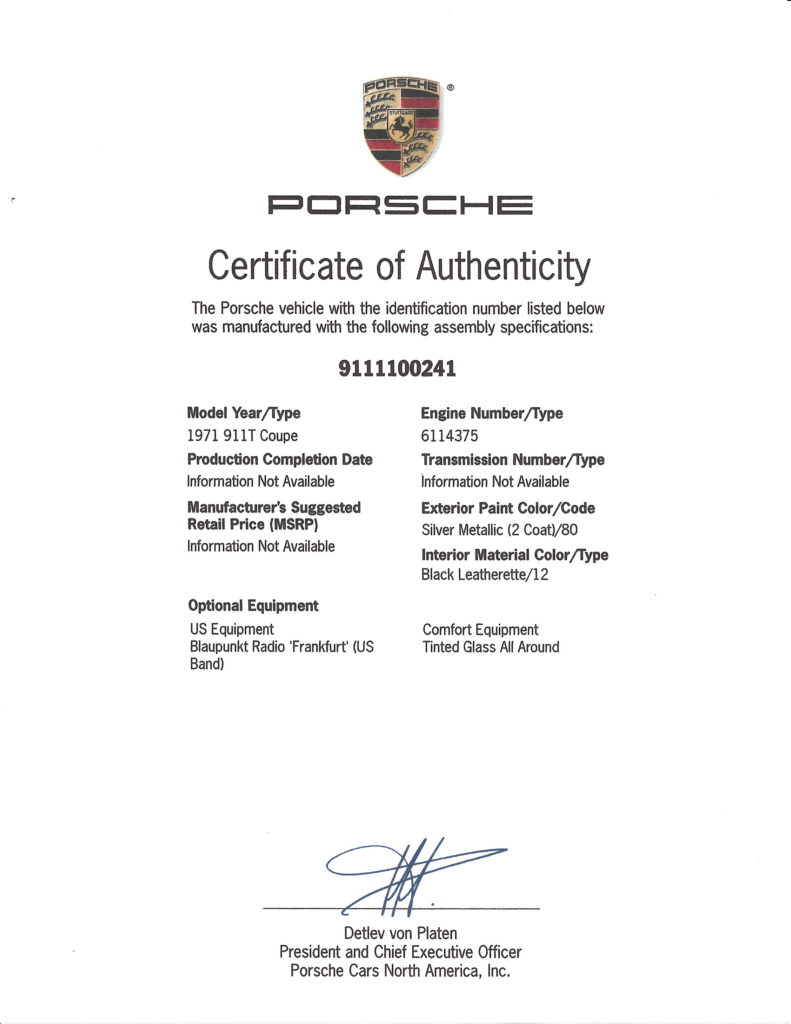
EPSON MFP image
Over the years, I’ve lost most of my traffic as blogs fell out of favor with people turning to Insta, YouTube or TikTok. I asked AI to help. It suggested adding summaries of my Restoration Wednesday posts to my main overview page (like this one). This will help search point interested people my way. Since I’ve written over 2,600 blog posts since 2009, I asked AI to write these summaries for me. Of course, I do final edits. This, in an effort to share my story with a few more enthusiasts if they fancy some of my content. Unless noted, everything else is original to my brain. Only these summaries (below) are by AI.
There’s something about a 911 that gets under your skin. Not in an itch-you-can’t-scratch kind of way, more like a splinter you’re not entirely sure you want removed. It’s small, it’s loud, it smells like oil and history, and it will eat your weekends alive. Ask me how I know.
The 1971 Porsche 911T that rolled through my garage wasn’t some pristine, babied concours queen. It was a working-class hero, the “T” standing for Touring, the entry-level slot in Porsche’s three-tier lineup that year. Picked up out of Ohio in February 2012, it had been off the road for eight to ten years, sat in the same family for thirty, and wore a silver repaint so poor it practically wept. Rust lived in the doors and rockers. The hood, front fenders, and front floor pan ahead of the gas tank were already reproductions when I got it. And yet: certificate of authenticity, numbers matching, all original parts still in storage. Bone structure of a champion. Wardrobe of a disaster. That’s my kind of car.
A Brief Word on What the 911T Actually Was
To appreciate what I was dealing with, you have to understand where the T sat in the 1971 pecking order. Porsche offered the 911 in three flavors that year, all sharing the same 2.2-liter aircooled flat-six architecture (what they called the D-Series) but tuned and equipped very differently.
The T, sitting at the bottom of the ladder, made 125 horsepower at 5,800 rpm and 131 ft-lbs of torque at 4,200 rpm, breathing through a pair of Zenith 40 TIN carburetors at an 8.6:1 compression ratio, backed by a four-speed gearbox. Step up to the E (the middle child) and you got 155 bhp at 6,200 rpm, 141 ft-lbs at 4,500 rpm, Bosch mechanical fuel injection, and a 9.1:1 compression ratio, plus a five-speed. The S, the fire-breathing flagship, pushed 180 bhp at 6,500 rpm through Weber carburetors with larger jets, a re-profiled camshaft, better porting, and a redline raised to 7,300 rpm, also on a five-speed.
| 911 T | 911 E | 911 S | |
|---|---|---|---|
| Power | 125 bhp @ 5,800 rpm | 155 bhp @ 6,200 rpm | 180 bhp @ 6,500 rpm |
| Torque | 131 ft-lbs @ 4,200 rpm | 141 ft-lbs @ 4,500 rpm | 147 ft-lbs @ 5,200 rpm |
| Fuel Delivery | Zenith 40 TIN carbs | Bosch mechanical injection | Weber carbs (larger jets) |
| Compression | 8.6:1 | 9.1:1 | Higher |
| Gearbox | 4-speed | 5-speed | 5-speed |
| 0 to 60 mph | 9.5 sec | 7.6 sec | 7.8 sec* |
*Yes, the S is technically slower to 60 than the E. The gearing spread across that extra power is the culprit. The S gets its revenge everywhere above that.
The T was also the only 2.2-liter variant that required a US-market-specific compliance version, while the E and S could be exported to the States without modification. Not exactly a bragging right, but historically interesting. And for 1971 specifically, the D-Series brought a meaningful upgrade: a full zinc galvanized coating on the bodyshell and newly added piston squirters for improved cooling. Small things. Important things. The kind of things that keep a fifty-year-old car alive long enough for someone like me to find it.
Getting It Running: The Hard Part First
The engine situation when I bought it was a mixed bag. The previous owner had already fitted headers (no original heat exchangers in sight) but somebody had done enough right that the electrical system wasn’t completely dead. Lights worked. Turn signals worked. Wipers worked. The bar was low but it cleared it.
First order of business was cleaning every ground I could find, including the transmission-to-chassis strap, and getting fresh batteries in. Then I pulled the gas tank, sent it out for a Renu treatment (sandblasted inside and coated), rebuilt the fuel sender unit, replaced the pump, and ran new fuel lines front to back. Fresh oil, Valvoline 20W50. Fresh transmission fluid, Swepco 201. Shift linkage kit. Clutch cable readjusted. Pedals adjusted. Valves adjusted.
The car came with Weber 40mm IDA carburetors already fitted, which I installed and set up with all new gaskets, adjusted the linkage for full butterfly opening at wide-open throttle, and replaced the plastic throttle linkage bushings. New Marelli cap, rotor, and points. New plugs. New 100% copper plug wires. K&N air filters under rain hats. Rebuilt the alternator with new brushes and bearings, powder coated the fan and shroud, pulled and greased the distributor, and was off the races. Or at least, off the jack stands.
The Carburetor Rabbit Hole
The Weber idle jets were constantly getting clogged. Constantly. My buddy Keith (who runs PMOs on his 911SC) flagged the potential problem before I even knew I had it. He was right. Once I started digging, it became a recurring theme. A two-dollar can of carburetor cleaner and a tank of race gas cleared things up more than once. Sometimes the old ways work.
But the carburetor saga didn’t end there. After a few years of driving the car on the Webers, I got curious about the Zeniths, the carburetors that were actually supposed to be on this thing from the factory. Porsche had a long-standing relationship with Zenith going back to the 356 days, and those carbs made a return to favor on the early 70s 2.2-liter T motors before fading from popularity like bell-bottom jeans. Which is exactly why I wanted to try them.
The opinions on Zeniths versus Webers are all over the map. Three guys, three different takes: over-complicated with their triple accelerator pumps and finicky manufacturing variations on one side; durable, hold a tune well, and purpose-built for the 2.2T on the other. The limitation is real. They’re not versatile, they don’t respond well to modification, and you wouldn’t want them on anything much bigger than a 2.2. But for what this car was, a numbers-matching 1971 T with a 2.2-liter flat-six, they were exactly right. So I sourced a set, set them up for modern fuels with larger jetting, and found out for myself. Later, when I moved on to a full carburetor rebuild session over a Michigan winter, I pulled the Webers apart properly and gave them the once-over they’d been waiting for. Sulking through a Michigan winter is tradition. So is wrenching.
The Rest of the Story
The body and suspension work was its own chapter. I cleaned rust out of the doors and coated everything with POR-15. Repainted the entire bonnet area with POR-15, polished both VIN plates, powder coated the smuggler’s box door in DuPont Flat Black. Pulled the bumpers, cleaned them, POR-15’d them, and replaced them with fiberglass red bumpers that gave the car some attitude. Fitted Cibié driving lamps: powder coated the buckets, wired them to an interior toggle switch. Replaced the door window rails with early ’66 units that included opening quarter windows. Added an Italvolanti Indianapolis steering wheel. The car stopped looking like a tired retiree and started looking like it meant business.
On the suspension and brake side: added proper 15-inch Fuchs wheels (two of the four 14-inch pieces on the car when I bought it were date-stamped 7/76, which tells you all you need to know). New front wheel bearings. Rebuilt front brake calipers, zinc gold plated. Rotors turned, new pads, system flushed. Leveled the ride height by dropping the front suspension. The 911 stance is unforgiving. Get it wrong and the whole car looks apologetic.
The speedometer had a spider living in it when I bought the car. I said I wasn’t planning to rebuild it. That changed. Of course it changed. The odometer had stopped working, pot-metal gear rounding out on the shaft, as they always do on anything from this era. Pulled it apart, fixed it, got it back in looking fresh and working great. Except for a slightly jumping needle from an imperfect cable. Progress, not perfection.
We also adjusted the headlights one night with Keith, because they’d been aimed like someone’s lazy eye shooting off into space. It was not as straightforward as you’d imagine.
In January 2014, during a stretch of rare Michigan winter weather that cleared the salt off the roads, I took the whole family out in the 911. In December 2013, a genuine Festivus miracle, we crammed the entire family in to go get a Christmas tree. All eleven feet of it.
The End of the Road: For Me, Anyway
In June 2019, I sold it. The 911T had been with me for seven years. Over the course of the D-Series production run, only 2,517 911T coupes were built for 1971, and I’d owned one of them long enough to know it inside out, upside down, and carburetor-deep. Sometimes you flip a car because it’s time, not because anything is wrong with it. Sometimes the next project is already knocking.
The 911T is a car that rewards patience and punishes shortcuts. It doesn’t have the raw power of the E or the all-out aggression of the S, but it has something those cars can’t buy: the purity of the base spec, the satisfaction of knowing you wrung everything out of the modest end of the lineup. A hundred and twenty-five horsepower doesn’t sound like much until you’re chasing the horizon with three Weber carbs singing behind your head and a fifty-year-old flat-six that you rebuilt with your own hands.
That’s what it was. That’s what they all are, really.